Antibodies in Infectious Diseases: Polyclonal, Monoclonal, and Emerging Biotechnological Strategies
From Serum Therapy to Modern Antibody Biotechnology
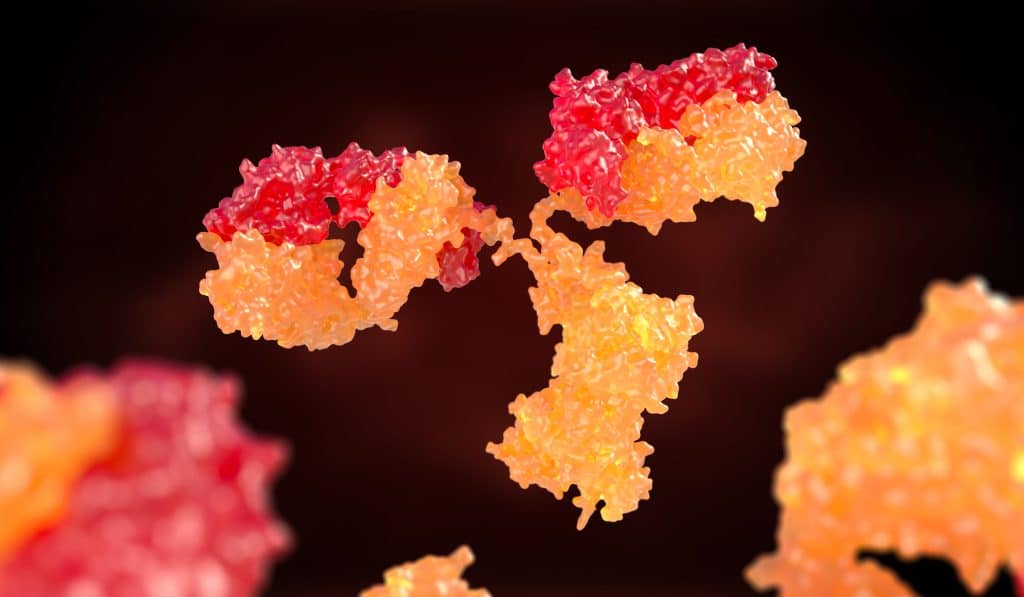
Introduction:
The application of antibodies in infectious disease management represents one of the oldest yet most rapidly evolving strategies in biomedical science. The concept of passive immunization dates back to the late 19th century, when Emil von Behring and Shibasaburo Kitasato demonstrated that transferring immune serum could protect against diphtheria. This discovery laid the foundation for antibody-based therapeutics and earned Behring the first Nobel Prize in Physiology or Medicine.
Over the following decades, serum therapy became a standard treatment for multiple infectious diseases, including pneumococcal pneumonia, meningococcal meningitis, and streptococcal infections. However, the advent of antibiotics in the mid-20th century led to a decline in antibody-based treatments due to their broader applicability, lower cost, and ease of use.
Despite this decline, antibody therapy has undergone a major resurgence in recent years. Two major global health challenges have driven renewed interest:
- The rapid emergence of multidrug-resistant pathogens
- The growing population of immunocompromised individuals
Modern antibody therapeutics are significantly more advanced than early serum therapies. Today’s immunoglobulin products are highly purified, standardized, and subjected to rigorous viral inactivation processes. These improvements have addressed historical limitations such as contamination, variability between batches, and safety concerns.
As a result, antibody-based therapies are once again at the forefront of infectious disease research, offering targeted, highly specific approaches to prevention and treatment.
Pathogenesis and Its Impact on Antibody-Based Therapy
The effectiveness of antibody therapy is closely linked to the pathogenesis of infectious diseases. Pathogens including viruses, bacteria, fungi, and prions—interact with host systems in complex ways, often triggering immune responses that can be either protective or harmful.
A delicate balance exists between immune defense and immunopathology. In some infections, excessive immune responses contribute to disease severity, while in others, pathogens evade immune detection entirely. Antibodies can play a critical role in modulating these responses.
Antibody therapies are particularly effective in:
- Acute infections requiring immediate immune protection
- Outbreak scenarios where vaccines are unavailable or ineffective
- High-risk exposure situations
Unlike vaccines, which require time to induce immunity, passive antibody therapy provides immediate protection. However, this protection is temporary due to the limited half-life of antibodies in circulation.
Not all infectious diseases are suitable targets for antibody therapy. The development process is costly and time-consuming, often requiring years of research, clinical trials, and regulatory approval. Additionally, the economic viability of antibody therapies depends on factors such as market size, competition with existing drugs, and manufacturing costs.
Mechanisms of Antibody Action in Infectious Diseases
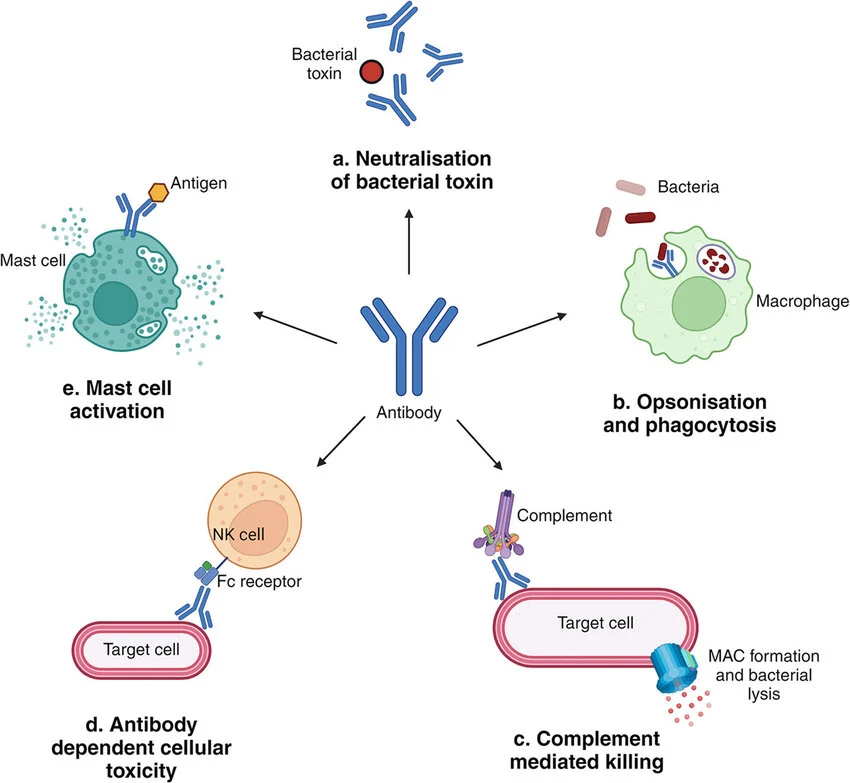
Antibodies exhibit a wide range of biological functions, many of which depend on their structure, isotype, and interaction with other components of the immune system.
Mechanisms include:
1. Neutralization
Antibodies can block pathogens from entering host cells by binding to viral surface proteins or host cell receptors.
2. Opsonization
They enhance phagocytosis by marking pathogens for destruction by immune cells.
3. Complement Activation (CDC)
Antibodies trigger the complement cascade, leading to pathogen lysis.
4. Antibody-Dependent Cellular Cytotoxicity (ADCC)
They recruit immune cells such as natural killer (NK) cells to destroy infected cells.
5. Immunomodulation
Antibodies can regulate immune responses, reducing inflammation or enhancing pathogen clearance.
In viral infections, antibodies may inhibit viral entry, replication, or release. In bacterial infections, they often target toxins or surface structures. In fungal infections, antibodies can directly affect pathogen metabolism and gene expression.
Polyclonal Antibodies
Polyclonal antibodies (poly Ig) are derived from the plasma of immunized or naturally exposed individuals. These preparations contain a mixture of antibodies targeting multiple epitopes on a pathogen.
Advantages:
- Broad reactivity against multiple antigenic sites
- Reduced risk of immune escape
- Multiple effector functions due to diverse antibody classes
Polyclonal immunoglobulin therapies are widely used in clinical practice, including:
- Intravenous immunoglobulin (IVIG)
- Hyperimmune globulins for specific pathogens
They are effective in treating and preventing diseases such as:
- Cytomegalovirus infections
- Hepatitis A and B
- Rabies
- Tetanus
- Measles and varicella
Polyclonal antibodies are particularly useful in situations where pathogen variability is high or when the exact antigenic target is unknown.
Limitations:
- Batch-to-batch variability
- Dependence on human donors
- Potential (though minimal) risk of pathogen transmission
- Limited scalability
Despite these limitations, polyclonal therapies remain essential due to their reliability and broad-spectrum activity.
Monoclonal Antibodies
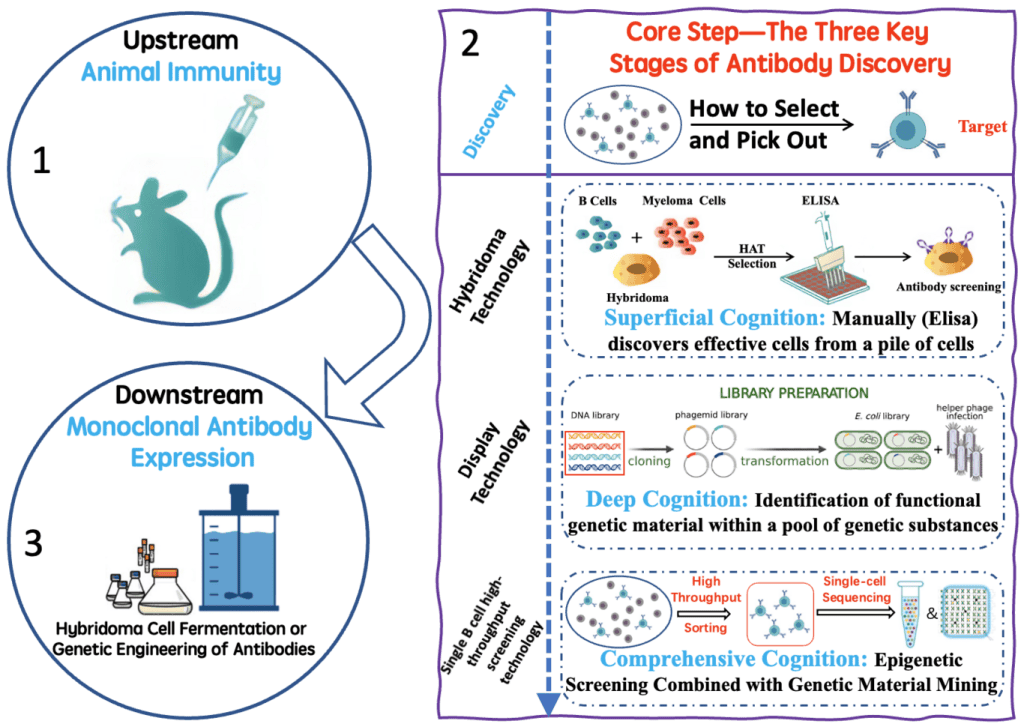
Monoclonal antibodies (mAbs) are highly specific molecules designed to target a single epitope. They are produced using advanced biotechnology, typically through mammalian cell culture systems.
Advantages:
- High specificity and reduced off-target effects
- Consistent and reproducible production
- Ability to engineer structure and function
Monoclonal antibodies can be tailored to enhance specific immune functions, such as increasing affinity for immune receptors or improving stability.
A well-known example is palivizumab, used for preventing respiratory syncytial virus (RSV) infections in infants.
Limitations:
- High production costs
- Narrow specificity, increasing risk of pathogen escape
- Requirement for precise diagnosis before use
While monoclonal antibodies represent a major advancement, their application is often limited to niche markets due to economic and practical constraints.
Antibody Isotypes and Functional Diversity
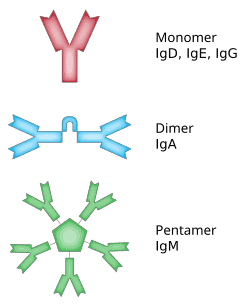
Different antibody isotypes play distinct roles in immune defense:
- IgG1: Strong effector functions, commonly used in therapeutics
- IgG2: Effective against bacterial polysaccharides
- IgG3: Potent but short-lived
- IgG4: Associated with chronic infections
- IgM: Highly avid, strong complement activation
Polyclonal preparations naturally include multiple isotypes, providing a broader range of immune responses. In contrast, monoclonal therapies rely on a single isotype, which may limit their effectiveness in complex infections.
Challenges of Monoclonal Specificity
The high specificity of monoclonal antibodies is both an advantage and a limitation.
Benefits:
- Minimal disruption to normal microbiota
- Reduced side effects
- Targeted therapeutic action
Drawbacks:
- Risk of antigenic escape due to pathogen mutation
- Limited effectiveness against diverse or rapidly evolving pathogens
- Smaller target population, affecting economic feasibility
To address these challenges, researchers are developing innovative strategies to broaden antibody effectiveness.
Advanced Strategies in Antibody Biotechnology
1. Antibody Cocktails
Combining multiple monoclonal antibodies targeting different epitopes can:
- Prevent escape mutations
- Enhance neutralization potency
- Increase therapeutic coverage
This approach is being explored for viruses such as influenza, HIV, and hepatitis.
2. Targeting Virulence Factors
Instead of targeting the pathogen directly, antibodies can neutralize toxins or virulence mechanisms. This approach:
- Reduces disease severity
- Limits damage to host tissues
- Preserves beneficial microbiota
An example includes targeting toxins produced by Clostridium difficile.
3. Targeting Conserved Antigens
Focusing on highly conserved regions reduces the likelihood of mutation-driven resistance. This strategy is particularly useful in:
- Viral infections with high mutation rates
- Broad-spectrum therapeutic development
4. Host-Targeted Antibodies
Some antibodies target host receptors used by pathogens for entry. While promising, this approach carries risks, including interference with normal physiological functions.
5. Recombinant and Engineered Antibodies
Advances in genetic engineering have enabled:
- Improved antibody stability
- Enhanced effector functions
- Reduced immunogenicity
Technologies such as phage display and recombinant expression systems are accelerating antibody discovery and optimization.
Antibody Therapy in Emerging and Resistant Infections
Antibody-based therapies are particularly valuable in addressing:
- Antibiotic-resistant bacteria (e.g., MRSA)
- Emerging viral outbreaks
- Immunocompromised patient populations
They can also be used in combination with antibiotics or antivirals to enhance treatment efficacy and reduce resistance development.
Economic and Regulatory Considerations
The development of antibody therapeutics involves significant investment. Factors influencing their adoption include:
- Manufacturing costs
- Regulatory approval processes
- Market size and demand
While monoclonal antibodies are expensive, improvements in production technologies are expected to reduce costs over time.
Future Perspectives and Conclusion
Antibody therapy is undergoing a transformative phase, driven by advances in biotechnology and the urgent need for new antimicrobial strategies. Both polyclonal and monoclonal antibodies have unique advantages, and their combined use may offer the most effective approach for managing infectious diseases.