Applications of Quantitative PCR in Biosafety and Genetic Stability Assessment of Biotechnology Products
1. Introduction to Quantitative PCR in Biotechnology
Real-time quantitative polymerase chain reaction (Q-PCR), also known as qPCR, represents one of the most significant advancements in molecular biology and biotechnology. This technique has transformed the way scientists detect, measure, and analyze nucleic acids, including DNA and RNA, across a wide range of biological samples. Its high sensitivity, specificity, and rapid throughput make it an essential tool in biosafety testing, genetic stability assessment, and biopharmaceutical development.
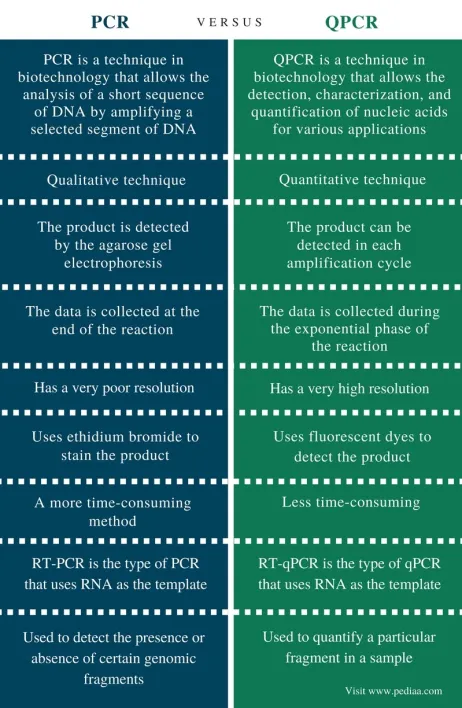
Unlike conventional PCR, which only provides end-point detection of amplified DNA, Q-PCR allows continuous monitoring of amplification during each cycle. This real-time detection is achieved through fluorescence-based chemistries, enabling precise quantification of nucleic acid targets. As a result, Q-PCR is widely used in gene expression analysis, viral detection, copy number variation studies, biodistribution analysis, and contamination control in biotechnology products.
The integration of Q-PCR into pharmaceutical research and manufacturing has significantly improved the ability to ensure product safety and regulatory compliance. It is routinely applied in the development, validation, and quality control of vaccines, gene therapies, and recombinant proteins.
2. Principle and Mechanism of Real-Time Q-PCR
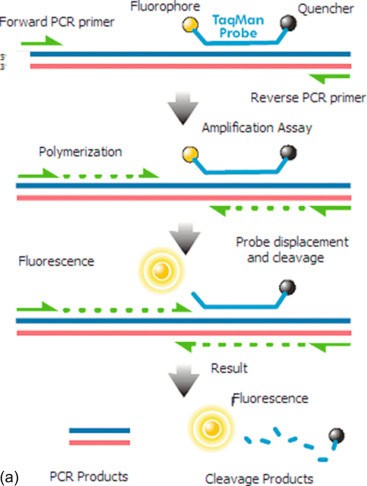
Q-PCR relies on the amplification of target nucleic acid sequences using sequence-specific primers and fluorescent probes. During amplification, a fluorogenic probe labeled with a reporter dye (such as FAM or VIC) and a quencher dye (such as TAMRA) binds specifically to the target DNA sequence.
The key mechanism involves the 5′ exonuclease activity of DNA polymerase, which cleaves the probe during DNA synthesis. This cleavage separates the reporter dye from the quencher, resulting in increased fluorescence proportional to the amount of amplified product.
A critical parameter in Q-PCR is the threshold cycle (Ct value), which corresponds to the cycle number at which fluorescence exceeds a defined baseline level. The Ct value is inversely proportional to the initial quantity of the target nucleic acid:
- High target concentration → Low Ct value
- Low target concentration → High Ct value
This relationship enables the construction of a standard curve for accurate quantification.
3. Advantages of Q-PCR Over Conventional PCR
Real-time Q-PCR offers several advantages compared to traditional PCR methods:
- Closed-tube system: Minimizes contamination risks by eliminating post-PCR processing
- High sensitivity: Detects very low levels of nucleic acids
- Wide dynamic range: Allows quantification over several orders of magnitude
- Reproducibility: Provides consistent and reliable results
- Automation compatibility: Can be integrated with robotic systems to reduce human error
Additionally, Q-PCR is less affected by inhibitors and allows multiplexing, enabling the detection of multiple targets in a single reaction.
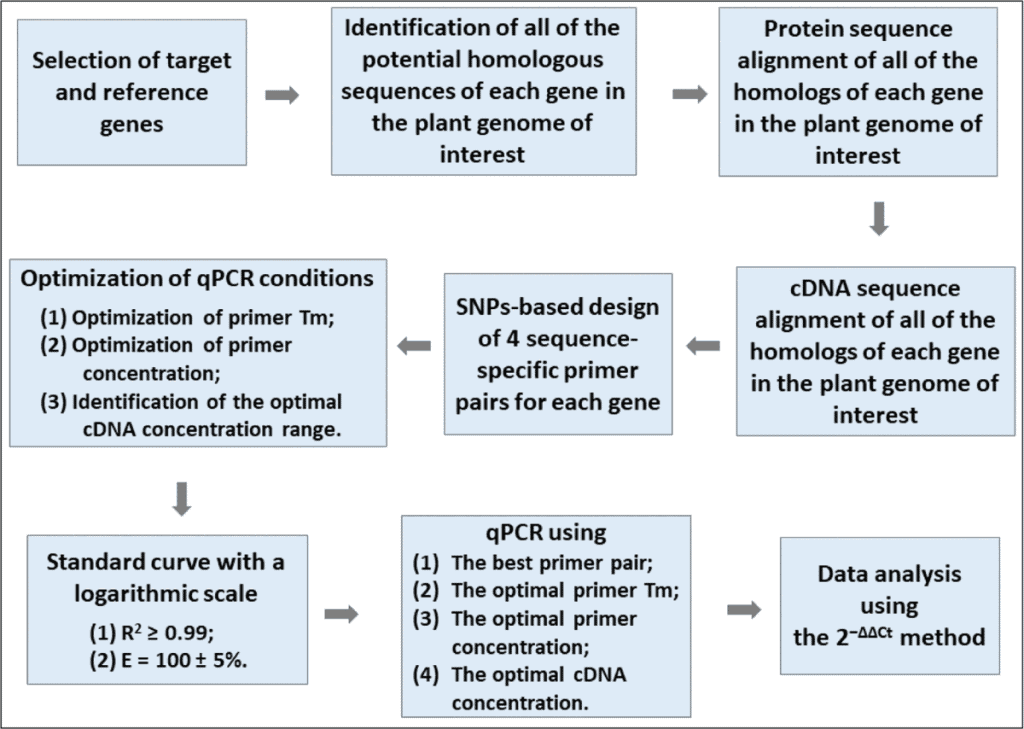
4. Assay Development and Validation
4.1 Primer and Probe Design
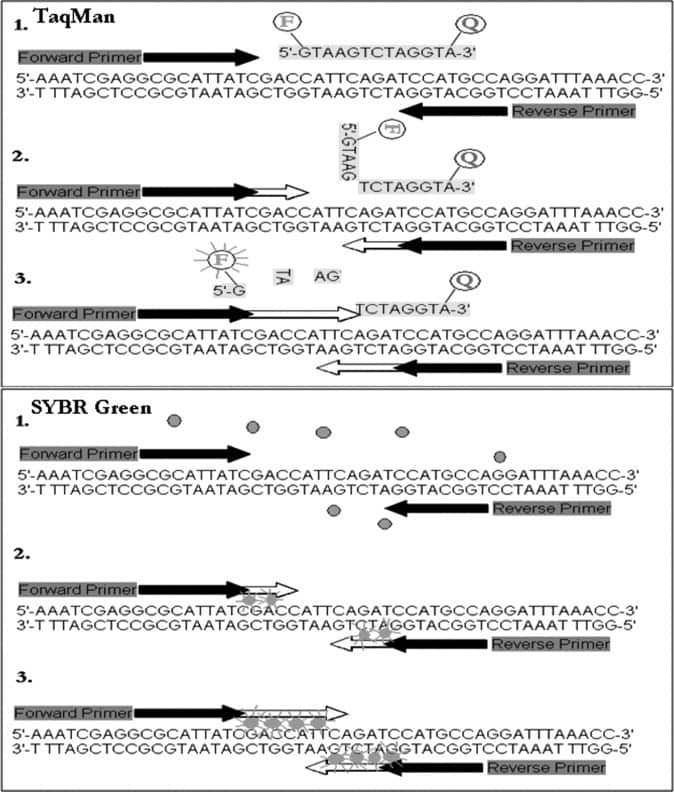
Accurate primer and probe design is essential for assay specificity. Sequence alignment against genomic databases is performed to avoid cross-reactivity with non-target sequences. This is particularly important in pathogen detection, where false positives can have serious regulatory implications.
For viruses with high genetic variability, such as HIV, primers must target conserved genomic regions to ensure detection of multiple strains.
4.2 Assay Optimization
Optimization involves adjusting primer and probe concentrations to achieve maximum amplification efficiency. The best conditions are selected based on:
- Highest fluorescence signal
- Lowest Ct value
- Minimal background noise
4.3 Validation Parameters
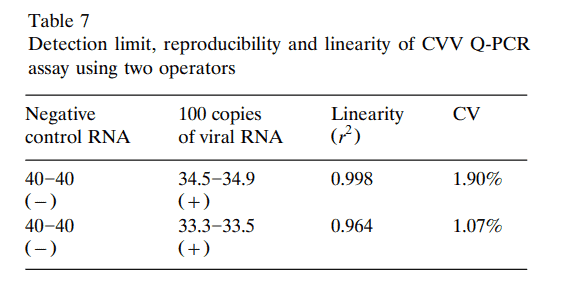
Q-PCR assays must comply with international guidelines (ICH). Key validation parameters include:
- Specificity: Ability to detect only the target sequence
- Linearity: Correlation between Ct values and target concentration
- Sensitivity: Lowest detectable amount of nucleic acid
- Precision and reproducibility: Consistency across runs and operators
5. Nucleic Acid Extraction and Quality Control
Efficient extraction of nucleic acids is critical for reliable Q-PCR results. Extraction efficiency varies depending on sample type and must be validated for each application.
Q-PCR enables direct measurement of extraction efficiency by comparing input and recovered nucleic acid quantities. It also helps identify PCR inhibitors such as:
- Hemoglobin
- Ethanol
- Heparin
To improve recovery, especially in low-concentration samples, carrier molecules are often added during extraction.
https://youtu.be/Eufcd0oXpz0?si=x7zz4vCBXrrLtG9H
6. Pathogen Detection and Biosafety Applications
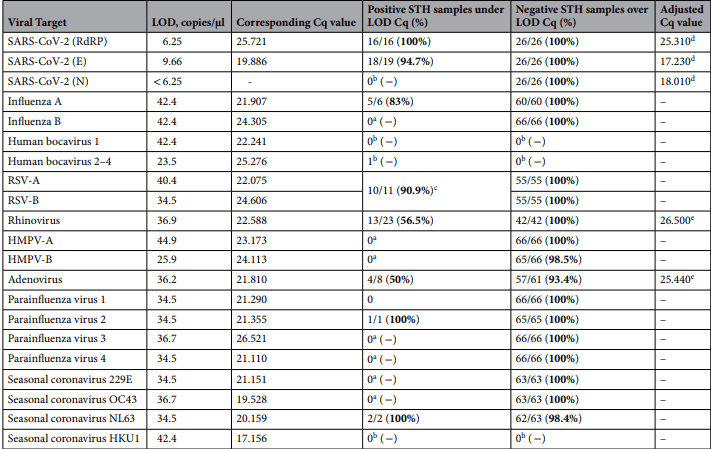
6.1 Detection of Viral Contaminants
Q-PCR plays a central role in detecting viral contamination in:
- Cell lines
- Biopharmaceutical products
- Raw materials
Viruses can originate from biological sources, manufacturing processes, or environmental contamination. Regulatory agencies require rigorous testing to ensure safety.
6.2 Detection of Emerging Viruses
Q-PCR assays are widely used to detect emerging viral threats such as:
- Bovine polyomavirus
- Bunyaviruses
- Porcine circoviruses
These viruses may contaminate biological products and pose risks to human health.
6.3 Retrovirus Detection Using F-PERT
The Fluorescent Product-Enhanced Reverse Transcriptase (F-PERT) assay is a highly sensitive Q-PCR-based method for detecting retroviral reverse transcriptase activity. It is widely used in:
- Vaccine safety testing
- Gene therapy products
- Xenotransplantation studies
F-PERT combines broad detection capability with high sensitivity, making it a preferred method for retrovirus screening.
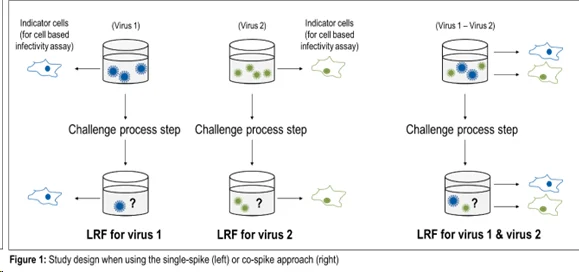
7. Viral Clearance and Process Validation
Biopharmaceutical manufacturing requires validation of processes that remove or inactivate viruses. Q-PCR is used alongside infectivity assays to assess viral clearance.
It allows:
- Quantification of viral genomes
- Monitoring of removal efficiency
- Detection of non-infectious viral particles
This is particularly important when chemical treatments inactivate viruses but leave nucleic acids intact.
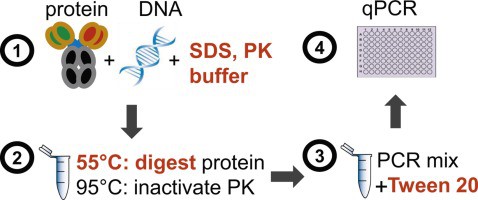
8. Residual Host Cell DNA Quantification
Residual host cell DNA is a major safety concern in biologics. Regulatory guidelines limit DNA content to very low levels per dose.
Q-PCR provides:
- High sensitivity detection (picogram levels)
- Accurate quantification
- Faster analysis compared to hybridization methods
It is also used to monitor DNA removal during purification processes.
9. Gene and Cell Therapy Biodistribution Studies
Q-PCR is essential in evaluating the distribution of gene therapy vectors within the body. Biodistribution studies help determine:
- Target tissue delivery
- Off-target effects
- Persistence of genetic material
Careful study design includes:
- Multiple tissue sampling
- Replicated reactions
- Internal controls to detect inhibition
These studies are critical for regulatory approval and patient safety.
10. Genetic Stability and Copy Number Analysis
10.1 Plasmid DNA Copy Number
Q-PCR enables rapid quantification of plasmid DNA in microbial cultures. This is important for:
- Monitoring fermentation processes
- Ensuring consistent production yields
- Detecting instability in plasmid constructs
Both absolute and relative quantification methods can be used.
10.2 Transgene Stability
Q-PCR is used to assess the stability of integrated transgenes in cell lines. By comparing Ct values across different production stages, researchers can detect:
- Copy number variations
- Chromosomal duplications
- Genetic drift
This ensures that production cell lines remain stable over time.
11. Data Analysis and Interpretation
Accurate interpretation of Q-PCR data requires statistical analysis of Ct values, including:
- Mean and standard deviation
- Confidence intervals
- Comparison with controls
Results are classified as:
- Positive: Clear amplification above baseline
- Negative: No amplification detected
- Equivocal: Signals below detection limit
Proper controls are essential to validate results and avoid false conclusions.
12. Conclusion
Quantitative PCR has become a cornerstone technology in biotechnology, particularly in biosafety and genetic stability assessment. Its ability to provide rapid, sensitive, and accurate quantification of nucleic acids makes it indispensable in modern research, development, and manufacturing.
From pathogen detection and viral clearance studies to gene therapy evaluation and residual DNA quantification, Q-PCR supports critical decision-making processes that ensure the safety and efficacy of biopharmaceutical products.
As biotechnology continues to evolve and new biological risks emerge, the role of Q-PCR will only expand. Its integration with automation and advanced data analysis tools will further enhance its impact, enabling faster development cycles and improved regulatory compliance.
Ultimately, Q-PCR not only improves product safety but also accelerates innovation in the biotechnology industry, making it a key driver of future therapeutic advancements.