Cell Culture Technology in the Diagnosis of Human Diseases: Advances, Applications, and Future Perspectives
1. Introduction to Cell Culture Technology
Cell culture technology represents one of the most fundamental and transformative methodologies in modern biomedical science. Originally developed in the early 20th century, cell culture emerged as a powerful experimental system for studying cellular behavior outside the living organism (in vitro). The foundational work of Wilhelm Roux demonstrated that animal tissues could be maintained in a controlled artificial environment, laying the groundwork for contemporary tissue culture techniques.
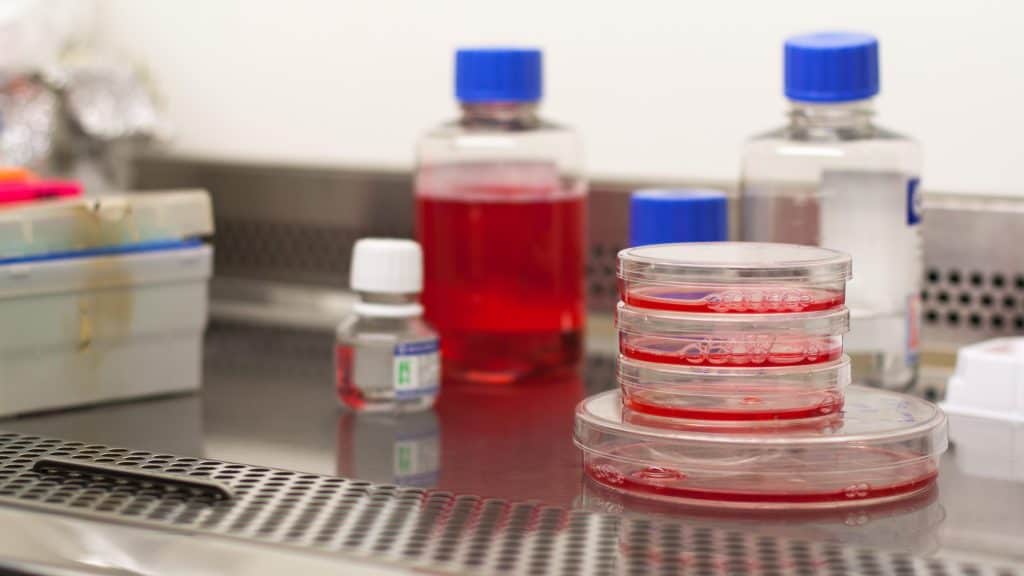
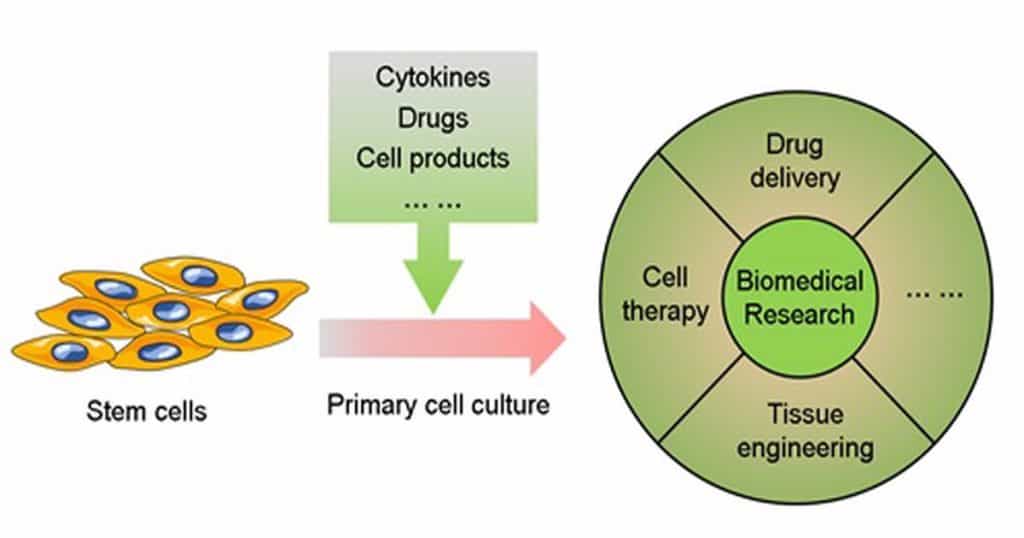
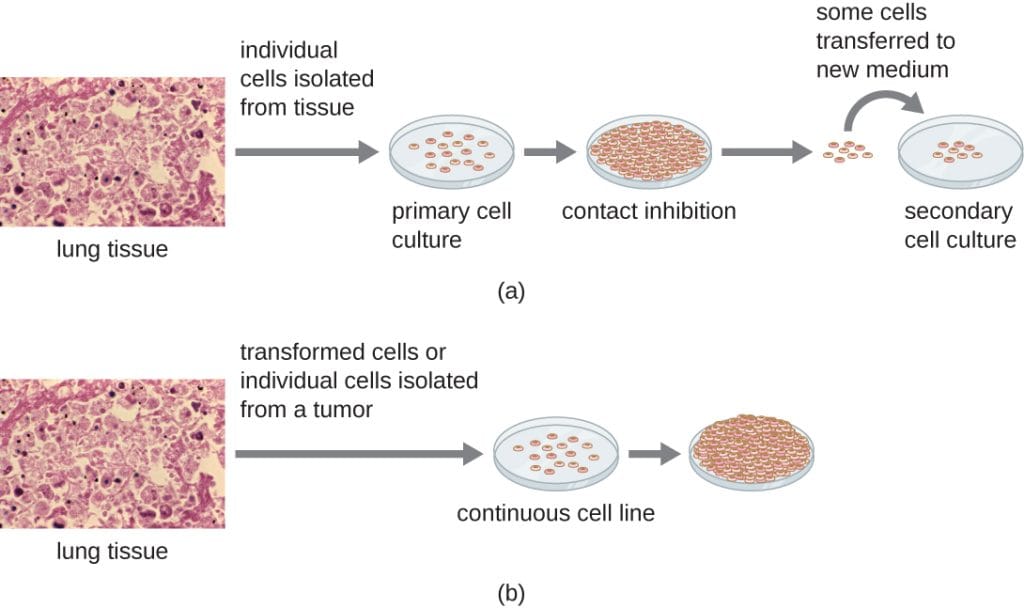
Cell culture is defined as the isolation, maintenance, and propagation of animal or human cells under controlled laboratory conditions that mimic the physiological environment. These conditions include appropriate temperature, pH, nutrient supply, and gas composition. Typically, the process begins with a primary culture, derived directly from tissue samples, which proliferates until reaching confluence, forming a monolayer of cells. Subsequent passaging (subculturing) allows cells to expand into secondary and tertiary cultures, eventually leading to the establishment of continuous cell lines.
Today, cell culture systems are indispensable in diverse domains, including:
- Clinical diagnostics
- Virology and infectious disease research
- Drug discovery and toxicology
- Cancer biology
- Vaccine development
Despite rapid technological advancements in molecular diagnostics, cell culture remains a cornerstone in identifying and understanding human diseases, particularly viral infections.
2. Role of Cell Culture in Disease Diagnosis
Cell culture provides a controlled biological system that enables the detection, isolation, and characterization of pathogens, especially viruses. Unlike molecular methods that detect genetic material, cell culture allows biological amplification, making it possible to observe viral replication and cytopathic effects (CPE).
2.1 Viral Isolation as a Gold Standard
For decades, virus isolation using cell culture has been regarded as the gold standard in clinical virology. This is because it:
- Confirms the presence of viable infectious agents
- Enables phenotypic characterization
- Supports downstream analyses such as antiviral susceptibility testing
The process involves inoculating clinical specimens (e.g., blood, respiratory samples) onto susceptible cell lines. If the virus is present, it replicates within the cells, leading to visible structural changes.
A notable example is the use of cell culture in identifying emerging pathogens during outbreaks, including the discovery of the Ebola virus in patients initially suspected of other infections.
3. Cell Culture and Electron Microscopy in Pathogen Identification
3.1 Complementary Diagnostic Tools
The integration of cell culture with Electron Microscopy significantly enhances diagnostic accuracy. Once viral replication occurs in cultured cells, electron microscopy (EM) can be used to visualize viral particles directly.
This combination provides:
- Early identification of unknown pathogens
- Structural characterization of viruses
- Rapid epidemiological insights during outbreaks
For instance, in cases where bacterial infection was suspected, EM analysis of cultured cells has revealed viral agents such as Bunyaviruses, demonstrating the importance of unbiased detection approaches.
3.2 Clinical Relevance During Outbreaks
During infectious disease outbreaks, rapid identification of the causative agent is critical. Cell culture coupled with EM allows:
- Early detection of novel or unexpected pathogens
- Guidance for public health interventions
- Development of targeted diagnostic assays
4. Integration with Molecular Techniques
4.1 Cell Culture and PCR-Based Methods
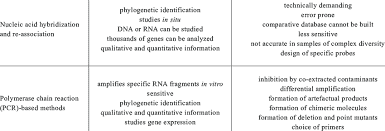
Modern diagnostics increasingly combine cell culture with molecular approaches such as Polymerase Chain Reaction and quantitative RT-PCR.
While PCR offers:
- High sensitivity
- Rapid detection
- Specific genetic identification
Cell culture provides:
- Confirmation of viral infectivity
- Biological context for detected nucleic acids
This combined approach has been widely used in identifying influenza viruses, including emerging strains such as Influenza A H7N9.
4.2 Limitations of Molecular Methods Alone
Although molecular diagnostics are powerful, they have inherent limitations:
- False positives due to contamination
- False negatives from inhibitors
- Inability to distinguish viable from non-viable pathogens
Thus, cell culture remains essential for validating molecular findings.
5. Advances in Cell Culture Technology
5.1 Transgenic Cell Lines for Viral Detection
One of the most significant innovations in cell culture is the development of transgenic cell lines. These genetically engineered cells contain reporter genes that are activated upon viral infection.
Mechanism:
- Virus infects the cell
- Viral proteins activate a promoter
- Reporter gene produces measurable signal (e.g., fluorescence)
This approach enables:
- Rapid detection
- High specificity
- Reduced reliance on complex staining techniques
Transgenic systems have been successfully applied in detecting viruses such as Poliovirus and Herpes Simplex Virus.
5.2 Rapid Detection Cell Culture Systems
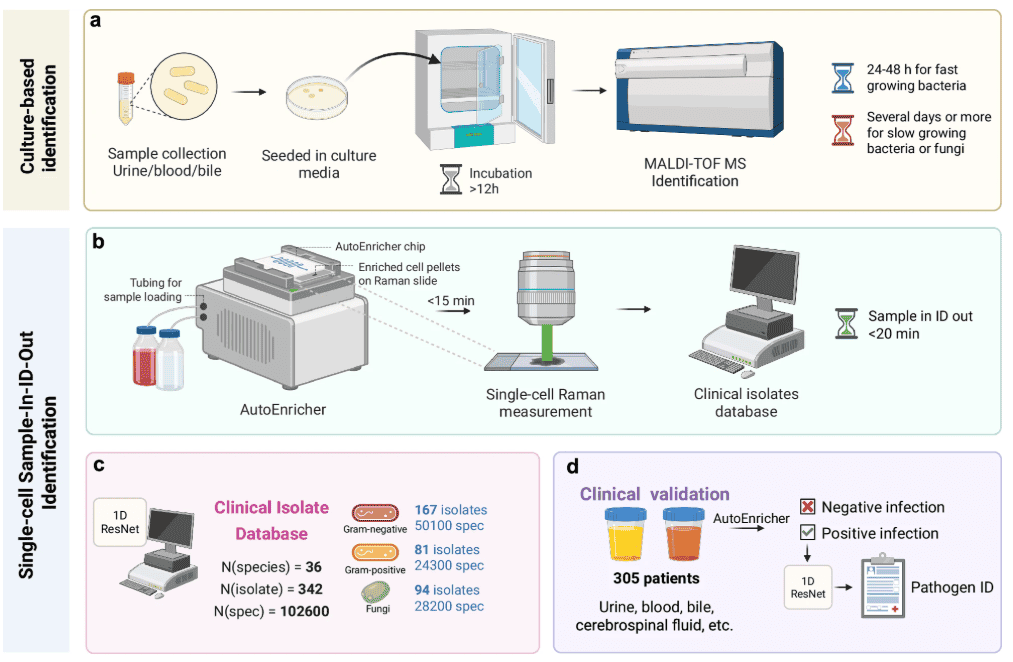
Commercially available culture systems such as mixed-cell monolayers have revolutionized diagnostic workflows. These systems combine multiple cell types to increase the likelihood of isolating diverse respiratory viruses.
Advantages include:
- Faster turnaround time
- Simplified procedures
- Reduced technical expertise requirements
These innovations make cell culture more accessible in routine clinical laboratories.
5.3 Metabolomics in Cell Culture
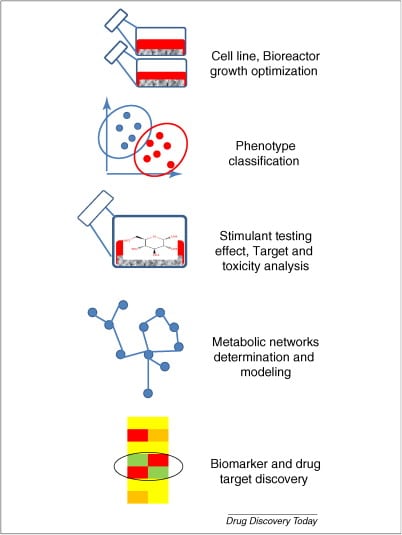
Cell culture is increasingly integrated with metabolomics to study disease-related metabolic changes. Cellular metabolism produces detectable biomarkers that can indicate pathological conditions.
Applications include:
- Cancer diagnosis and prognosis
- Identification of volatile organic compounds (VOCs)
- Biomarker discovery
For example, certain cancer cell lines release specific metabolites such as acetaldehyde, which can serve as diagnostic indicators.
5.4 Recombinant Protein Expression in Diagnostics
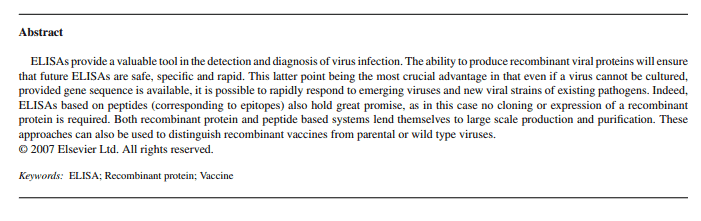
Recombinant protein technology enhances serological diagnostics by enabling the production of viral antigens in vitro. These proteins are used in assays such as ELISA to detect antibodies.
Process overview:
- Gene cloning into expression vectors
- Transformation into host cells ( bacteria)
- Protein expression and purification
- Validation via SDS-PAGE and Western blot
This approach improves:
- Diagnostic specificity
- Scalability
- Cost-effectiveness
6. Challenges and Limitations of Cell Culture
Despite its advantages, cell culture technology faces several challenges:
6.1 Time-Consuming Process
Traditional cell culture methods require several days to weeks for pathogen detection, making them less suitable for urgent clinical decisions.
6.2 Labor-Intensive Procedures
Maintaining cell cultures requires:
- Skilled personnel
- Sterile conditions
- Specialized equipment
This limits its application in low-resource settings.
6.3 Sensitivity Issues
Not all viruses can be cultured successfully. Some are:
- Fastidious
- Non-culturable
- Dependent on specific host conditions
This restricts the diagnostic scope of cell culture.
6.4 Standardization Concerns
Results can vary significantly depending on:
- Sample collection and transport
- Cell line selection
- Laboratory protocols
Unlike molecular assays, cell culture lacks universal standardization.
7. Comparison with Modern Diagnostic Techniques
While molecular methods are increasingly dominant, cell culture remains essential for:
Cell culture and molecular diagnostic methods differ significantly in their fundamental characteristics and applications. Cell culture primarily detects viable pathogens, meaning it confirms the presence of infectious and replicating organisms, whereas molecular methods focus on identifying genetic material such as DNA or RNA, regardless of whether the pathogen is alive or not. In terms of speed, cell culture is generally slow because it requires time for organisms to grow and produce observable effects, while molecular techniques are much faster, often delivering results within hours. Regarding sensitivity, cell culture demonstrates moderate sensitivity since not all pathogens grow بسهولة under laboratory conditions, whereas molecular methods are highly sensitive and capable of detecting even very small amounts of genetic material. Both approaches exhibit high specificity, but in different ways: cell culture provides biological specificity by confirming functional infectivity, while molecular methods offer genetic specificity by targeting unique nucleic acid sequences. Finally, the cost of cell culture is typically moderate to high due to the need for specialized equipment, consumables, and skilled personnel, whereas molecular methods present variable costs depending on the technology used, ranging from relatively affordable PCR assays to more expensive high-throughput sequencing platforms.
- Confirmatory diagnosis
- Research applications
- Novel pathogen discovery
8. Future Perspectives in Cell Culture Technology
The future of cell culture lies in its integration with advanced technologies:
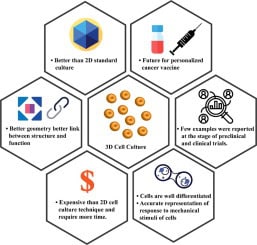
8.1 Organoid and 3D Culture Systems
These models better mimic human tissues, improving disease modeling and drug testing.
8.2 Automation and Artificial Intelligence
Automated culture systems and AI-based image analysis can:
- Reduce labor
- Improve reproducibility
- Accelerate diagnostics
8.3 High-Throughput Screening
Combining cell culture with high-throughput platforms enhances large-scale pathogen detection.
9. Strategic Importance in Emerging Diseases
With the continuous emergence of new infectious agents, cell culture plays a critical role in:
- Identifying unknown pathogens
- Validating diagnostic assays
- Supporting vaccine development
Even in the era of genomics, cell culture remains indispensable for establishing causality between pathogens and disease.
10. Conclusion and Recommendations
Cell culture technology continues to be a fundamental pillar in the diagnosis of human diseases, particularly in virology. While newer molecular techniques offer speed and sensitivity, they cannot fully replace the biological insights provided by cell culture.