Tuberculosis Diagnosis: Methods, Challenges, and Modern Approaches
Introduction
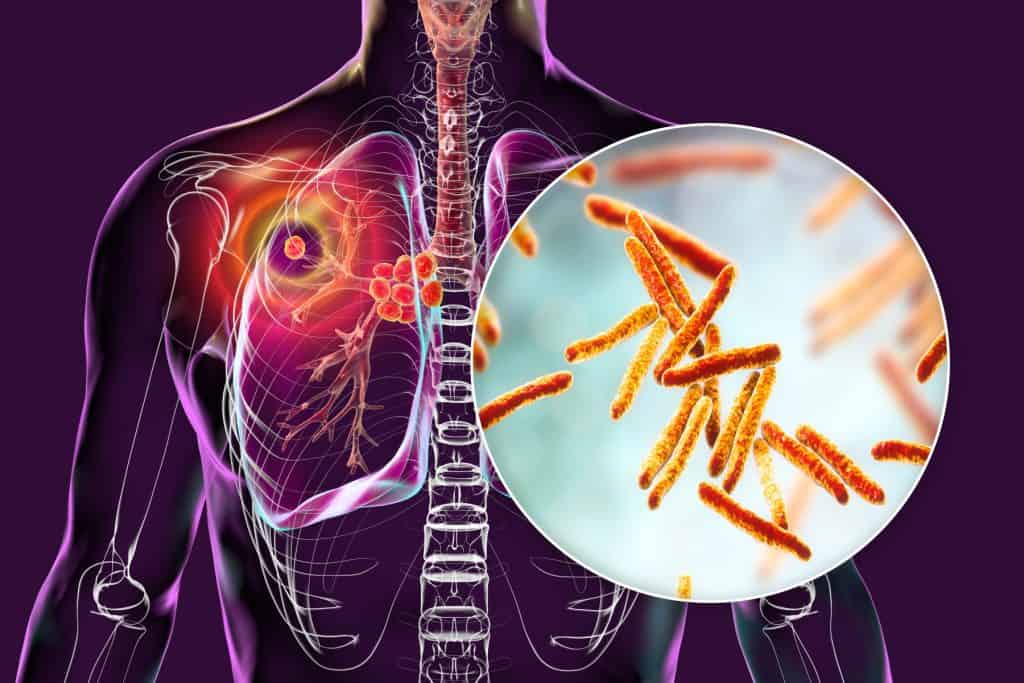
Tuberculosis (TB) remains one of the most significant infectious diseases worldwide, requiring early detection and effective treatment to control its spread. Accurate diagnosis is a critical step both for reducing transmission within communities and for improving patient outcomes. Identifying and treating infected individuals eliminates potential sources of infection and interrupts the chain of disease transmission.
Healthcare professionals, public health authorities, and communities play a fundamental role in tuberculosis control. Early identification of suspected cases and prompt laboratory confirmation are essential strategies for reducing disease burden and preventing complications.
 Clinical Indicators of Tuberculosis
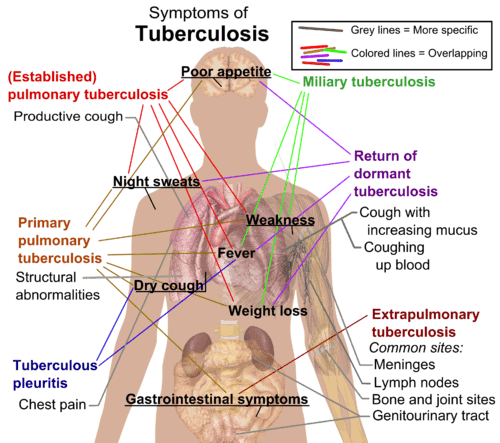
The clinical suspicion of tuberculosis usually begins with a persistent clinical syndrome characterized by several systemic and respiratory symptoms.
Common symptoms include:
- Persistent productive cough lasting four weeks or more
- Low-grade fever, particularly in the evening
- Night sweats
- Fatigue and weakness
- Progressive weight loss
- Loss of appetite
Individuals presenting with a productive cough for at least four weeks are commonly referred to as respiratory symptomatic patients, and they represent the primary target group for tuberculosis screening programs.
In pulmonary tuberculosis, additional manifestations may include respiratory bleeding and chronic cough. In extrapulmonary tuberculosis, symptoms depend on the organ involved.
Importance of Early Detection
Early diagnosis plays a crucial role in tuberculosis control. Patients with smear-positive pulmonary tuberculosis release large numbers of bacilli into the air while coughing, making them highly infectious.
Prompt diagnosis followed by effective treatment can:
- Eliminate the source of infection
- Interrupt transmission within the community
- Reduce morbidity and mortality
- Improve treatment success rates
Special attention should be given to high-risk populations, including:
- Individuals in close contact with TB patients
- People living with HIV
- Healthcare workers
- Homeless populations
- Individuals living in crowded institutions such as prisons
Screening these groups increases the probability of detecting active cases and contributes to more effective disease control strategies.
Diagnostic Methods for Tuberculosis
The confirmation of tuberculosis infection requires laboratory detection of Mycobacterium tuberculosis. Diagnostic methods can be broadly classified into three main categories:
- Bacteriological methods
- Histopathological methods
- Immunological methods
Each method has specific advantages and limitations, and in many cases, several techniques are combined to ensure diagnostic accuracy.
https://youtu.be/ggPLk7GL46U?si=LfdLgKoA08bo2O8y
Bacteriological Diagnosis
Sputum Smear Microscopy
Direct sputum smear microscopy is one of the most widely used diagnostic methods for tuberculosis. In this technique, clinical samples are stained using the Ziehl–Neelsen method, allowing visualization of acid-fast bacilli under a microscope.
Advantages include:
- Rapid results
- Low cost
- Minimal laboratory infrastructure
However, the test becomes positive only when a relatively high number of bacteria are present in the sample, typically at least 5,000 bacilli per milliliter. As a result, only about 50–70% of pulmonary tuberculosis cases are detected through smear microscopy.
Culture Techniques
Culture remains the reference method for confirming tuberculosis infection.
This technique allows:
- Identification of Mycobacterium tuberculosis
- Detection of smaller bacterial populations
- Drug susceptibility testing
However, culture methods require specialized laboratory facilities and typically take several weeks to produce results, often around 40 days.
Molecular Diagnostic Techniques
Recent advances in molecular biology have significantly improved tuberculosis diagnosis through nucleic acid amplification methods.
These techniques detect bacterial DNA directly from clinical samples and provide faster results compared to traditional methods.
Important molecular approaches include:
- Polymerase Chain Reaction (PCR)
- Real-time PCR
- Amplified Mycobacterium Tuberculosis Direct Test (AMTD)
- Amplicor assay
PCR-based tests demonstrate high sensitivity and specificity, often exceeding 90% diagnostic accuracy, and results can be obtained within a few hours.
Another application of molecular techniques is DNA fingerprinting, which allows differentiation of bacterial strains and helps track transmission patterns in populations.
Radiological and Histopathological Diagnosis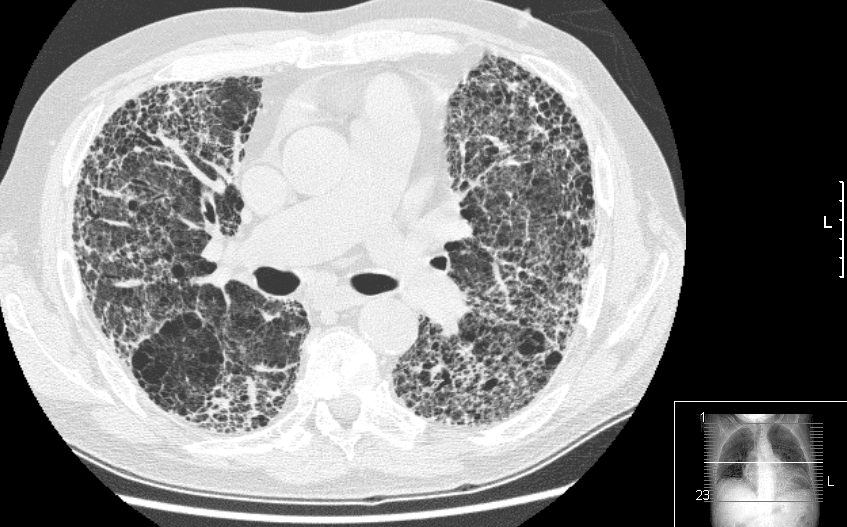
Radiological examination, particularly high-resolution computed tomography (HRCT), can reveal imaging patterns strongly suggestive of tuberculosis.
Histopathological examination of infected tissues may demonstrate:
- Caseating granulomas
- Caseous necrosis
- Chronic inflammatory lesions
Although these findings strongly support the diagnosis, they are not completely specific because similar features may appear in other diseases such as sarcoidosis or fungal infections. Therefore, bacteriological confirmation remains essential.
Immunological Tests
Tuberculin Skin Test (PPD)
The tuberculin skin test (PPD) evaluates the immune response to tuberculosis antigens and helps determine whether an individual has been infected.
The test involves intradermal injection of purified protein derivative and evaluation of the reaction 72 to 96 hours later.
The diameter of the induration determines the result:
- 0–4 mm: Non-reactive
- 5–9 mm: Weak reaction
- ≥10 mm: Strong reaction
However, interpretation can be influenced by BCG vaccination, previous exposure to environmental mycobacteria, or immune suppression.
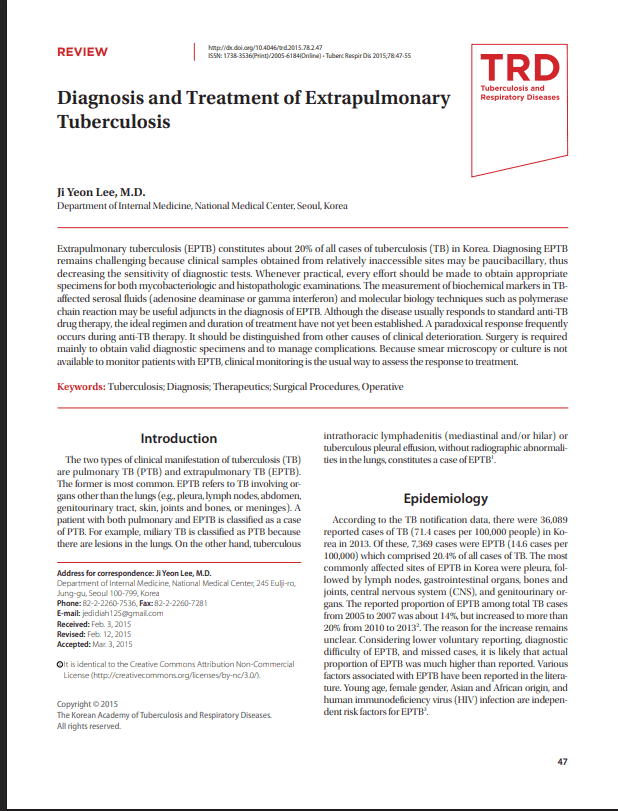
Diagnosis of Extrapulmonary Tuberculosis
Extrapulmonary tuberculosis often presents diagnostic challenges because bacterial concentrations in tissues are usually low.
Diagnosis may require:
- Tissue biopsy
- Histopathological analysis
- Culture of clinical samples
- Molecular tests
Common extrapulmonary forms include:
- Lymph node tuberculosis
- Pleural tuberculosis
- Bone and joint tuberculosis
- Tuberculous meningitis
In many cases, diagnosis relies on a combination of laboratory findings and clinical presentation.
Detection of Drug Resistance
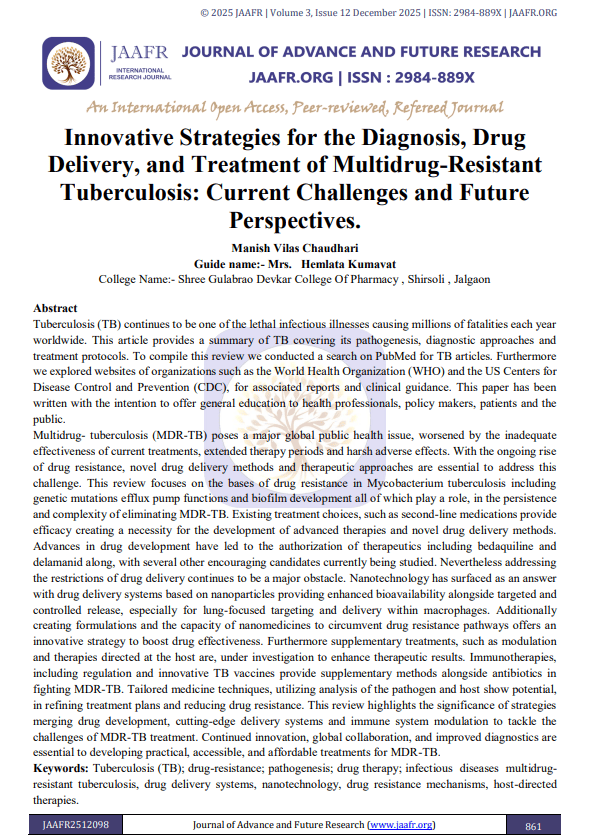
The emergence of drug-resistant tuberculosis represents a major challenge for disease control.
Drug susceptibility testing is essential to determine the most effective treatment regimen. Several techniques are used to identify resistance, including:
- Phenotypic culture-based methods
- Molecular assays detecting resistance mutations
- Automated systems for rapid drug susceptibility testing
Molecular techniques provide faster results and enable early detection of multidrug-resistant tuberculosis, improving patient management and treatment success.
Challenges and Future Perspectives
Although modern molecular diagnostic methods provide rapid and highly accurate results, their implementation is often limited by:
- High costs
- Requirement for advanced laboratory infrastructure
- Need for trained personnel
Consequently, many developing regions continue to rely primarily on conventional diagnostic techniques such as smear microscopy and culture. Continued technological development and improved accessibility will be essential for strengthening global tuberculosis control efforts.
Conclusion
The diagnosis of tuberculosis relies on a combination of clinical evaluation, laboratory tests, and imaging techniques. Traditional bacteriological methods remain essential for confirming infection, while molecular technologies are significantly improving diagnostic speed and accuracy. Early detection, appropriate treatment, and surveillance of drug resistance are key components of effective tuberculosis control. As diagnostic technologies continue to evolve, integrating rapid and affordable methods into healthcare systems will be crucial for reducing the global burden of this disease.